Data engineering
Prepare structured records with explicit mapping, cleansing, deduplication and quality checks.
- Tested CSV and JSON parsers
- Constrained transformations
- Quality findings and lineage
Explore the foundations for data quality, governed retrieval, integrations and controlled approvals. Begin with bounded demonstrations and an agreed implementation scope.

The demonstrations below show a bounded implementation foundation. Full enterprise platforms and customer integrations require a separate agreed scope.
Prepare structured records with explicit mapping, cleansing, deduplication and quality checks.
Review authorized, source-linked retrieval before introducing models or autonomous actions.
Make potential duplicates visible and keep source records intact for a steward's review.
Establish envelope validation and failure policy before connecting business systems.
Keep review decisions explicit with version-pinned definitions and a traceable event sequence.
Explore consent and identity safeguards using a fixed synthetic patient-shaped record.
Review data ownership and access, define acceptance criteria, validate a narrow workflow, then plan integration, resilience and operations. Product-specific workflows remain under their existing approval process.
Explore existing promotional overviews and application captures. A promotional page is separate from a production application.
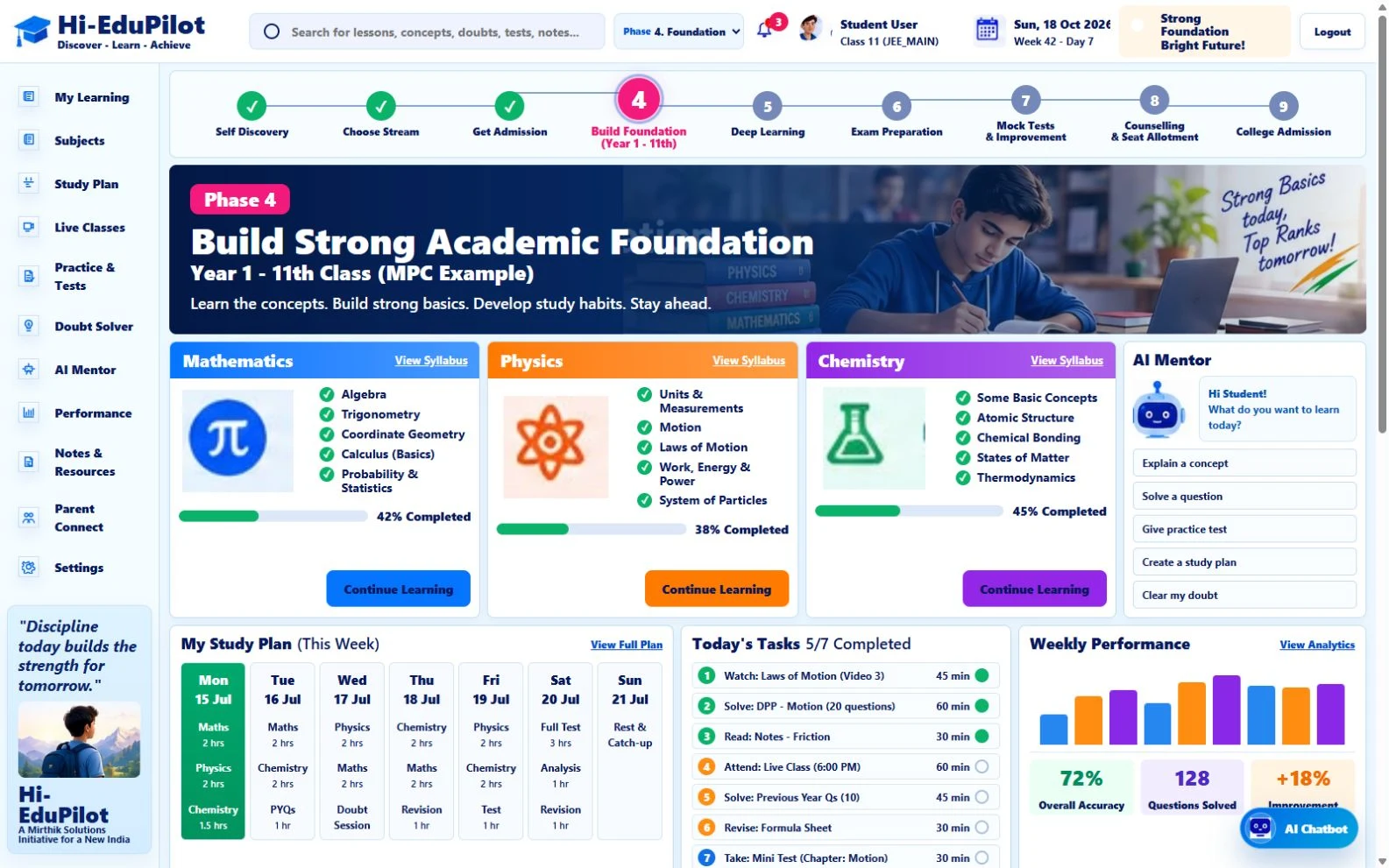
Exam preparation, practice review and the next learning task. Showcase status: application in development.
View promotional overview ↗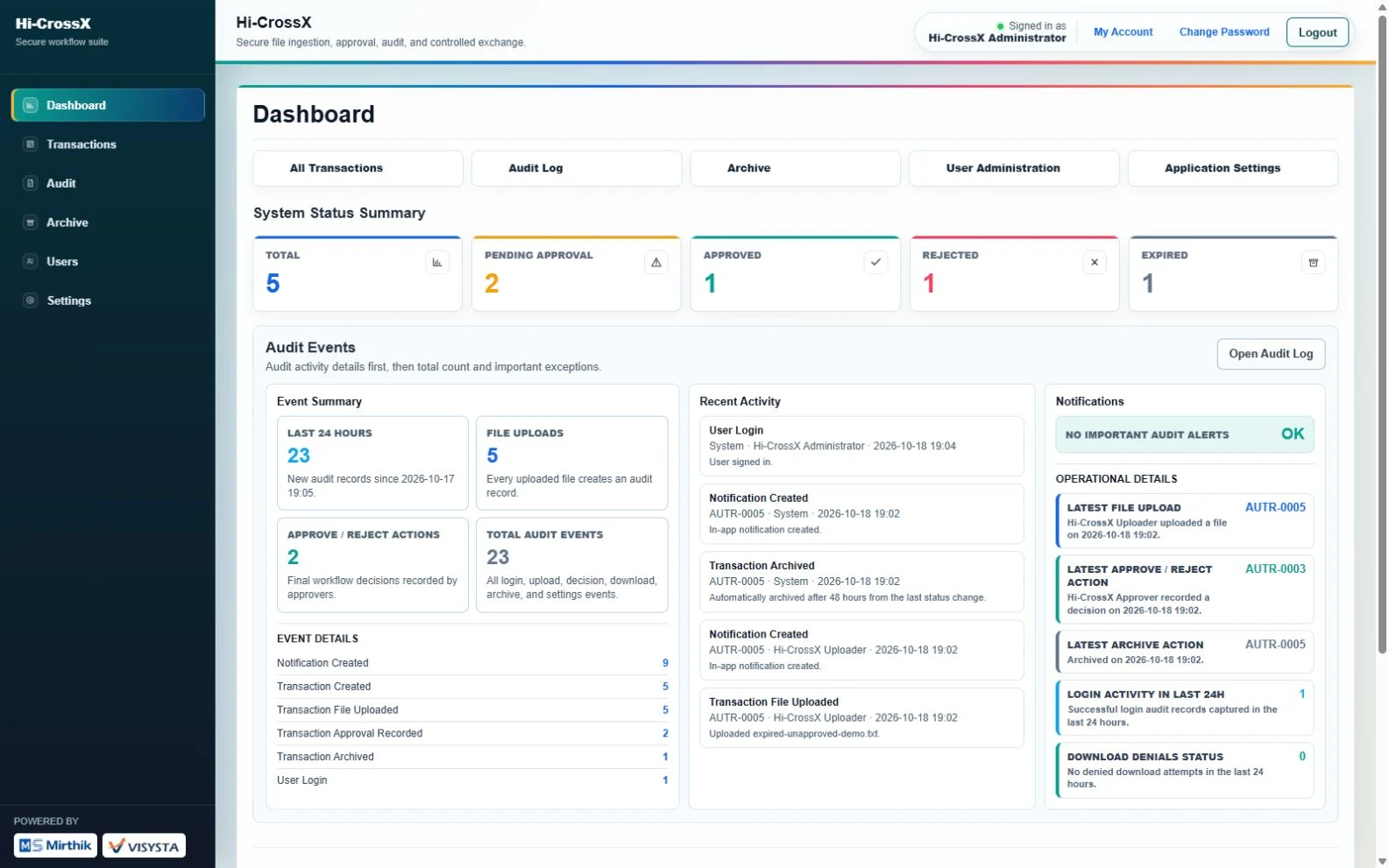
A controlled file handoff and review direction. Review the documented workflow and deployment scope.
View promotional overview ↗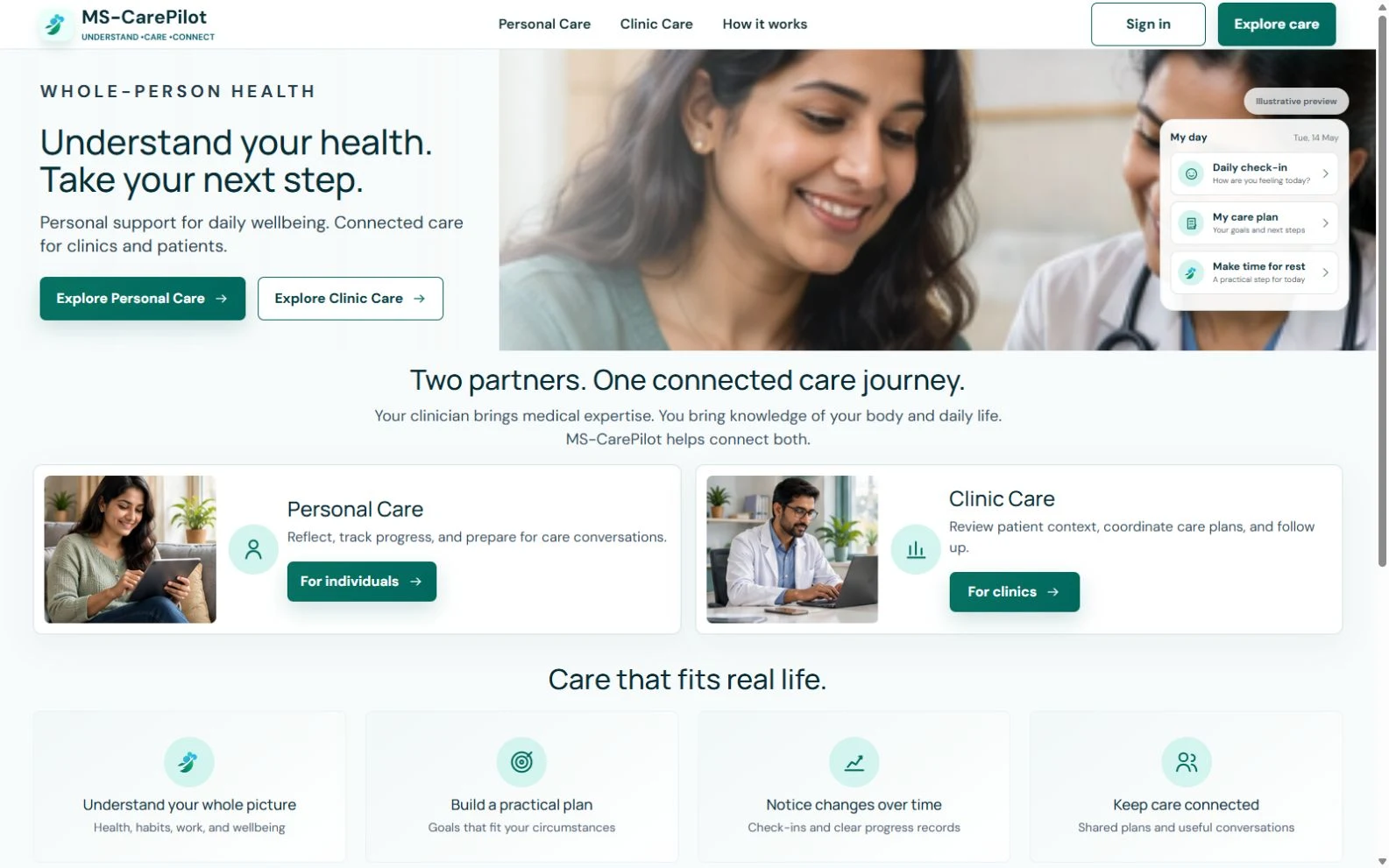
Selected patient and clinic care workflows. Clinical integrations require a separately approved use case.
View promotional overview ↗Tell us the workflow, data sources, access requirements and intended outcome.
Request an enterprise discussionThe lab provides bounded examples, not a tenant-ready enterprise service. A customer implementation requires explicit decisions about identity, persistence, infrastructure, integrations and operational responsibility.
Define source ownership, access boundaries, retention, evaluation examples and review responsibilities. Real data onboarding and provider connections require a separate implementation.
Agree the approval model, durable state, retry handling, audit records and recovery processes. A synthetic replay example is not a production event-processing service.
Use a demonstration to sharpen the question, then define the implementation gap. Discuss an enterprise requirement.